Practice Rooms for Adults: Why We Never Built Safe Spaces to Rehearse Real Careers
Quirriadminuser
Think about how we learn to drive. We practice before taking the road test. Athletes spend countless hours training before a competition. Musicians rehearse before performing in front of an audience.
Yet when it comes to our careers, we are often expected to perform perfectly without any real practice.
A student attends their first interview without ever answering interview questions. A new manager leads a team without practicing difficult conversations. A sales professional handles an important client meeting without rehearsing. Many people learn through trial and error, where mistakes can affect confidence, opportunities, and careers.
Why have we built practice spaces for almost every skill except the ones that shape our professional lives?
At Quirri, we believe everyone deserves a safe place to practice, make mistakes, receive feedback, and improve before the real moment arrives.
Why Real Careers Leave No Room for Practice?
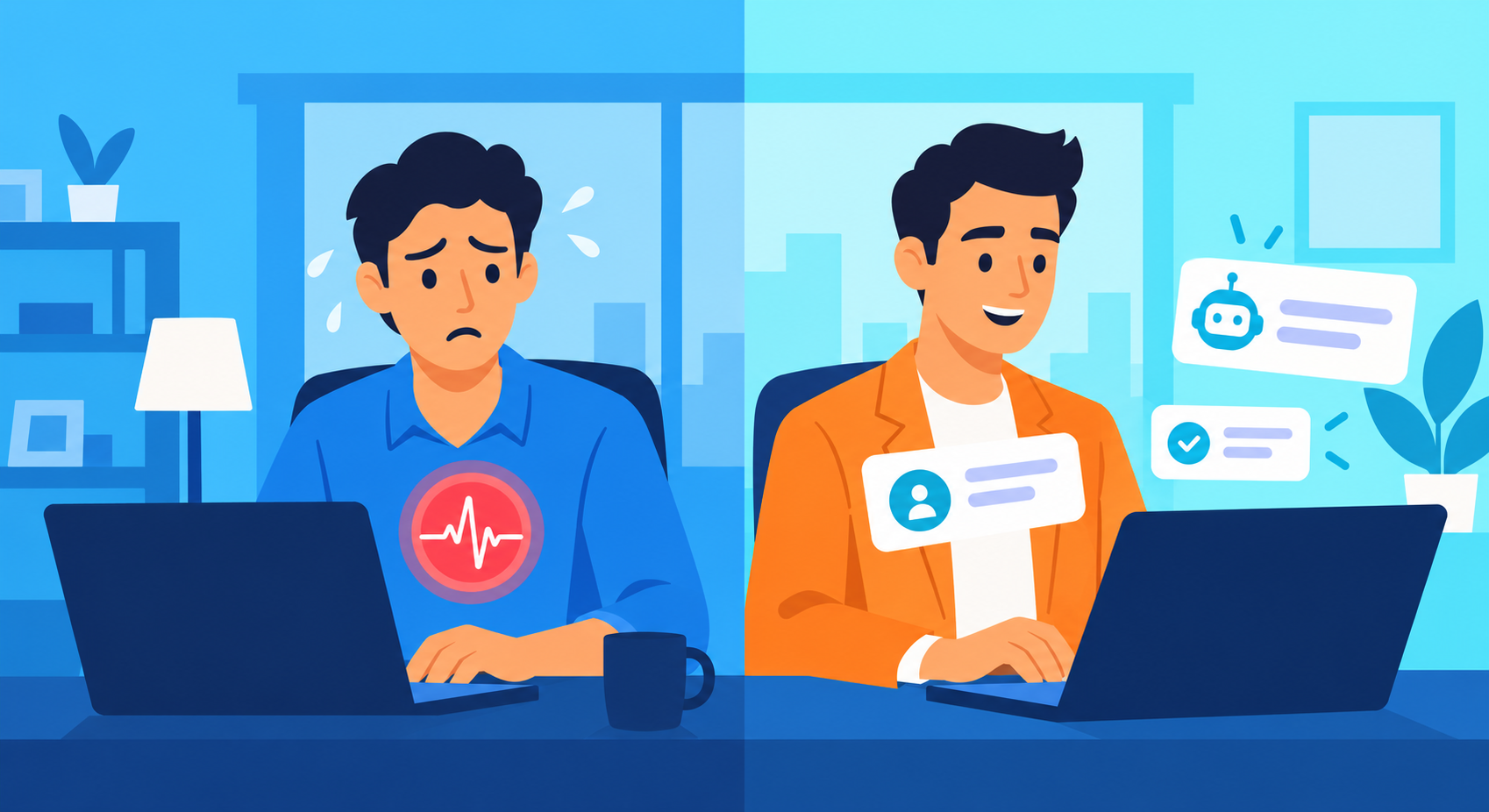
The workplace expects people to perform from day one. Whether it is an interview, presentation, customer meeting, or leadership discussion, there is often no opportunity to rehearse in a realistic environment.
This creates unnecessary pressure, especially for people entering the workforce or taking on new responsibilities.
Job interviews often become a person's first real interview experience.
Employees are expected to communicate confidently without practice.
Managers handle difficult conversations with little preparation.
Professionals learn by making mistakes in real situations.
Fear of failure prevents many people from trying new opportunities.
Confidence becomes difficult to build without repeated practice.
Imagine how much easier career growth would be if people could practice important conversations before they actually happened.
Learning by Doing Builds Confidence
Research consistently shows that people learn more effectively when they actively practice instead of simply reading or watching training materials.
Repeating real-life scenarios improves decision-making.
Mistakes become valuable learning opportunities instead of career setbacks.
Feedback helps learners improve after every attempt.
Confidence grows through repetition and experience.
Learners remember practical experiences longer than theoretical lessons.
Practice prepares people for unexpected situations in the workplace.
This is why simulations, role plays, and interactive coaching are becoming essential parts of modern learning.
Rather than waiting for a real challenge, learners can prepare for it in advance.
AI Is Creating the Practice Rooms We Never Had
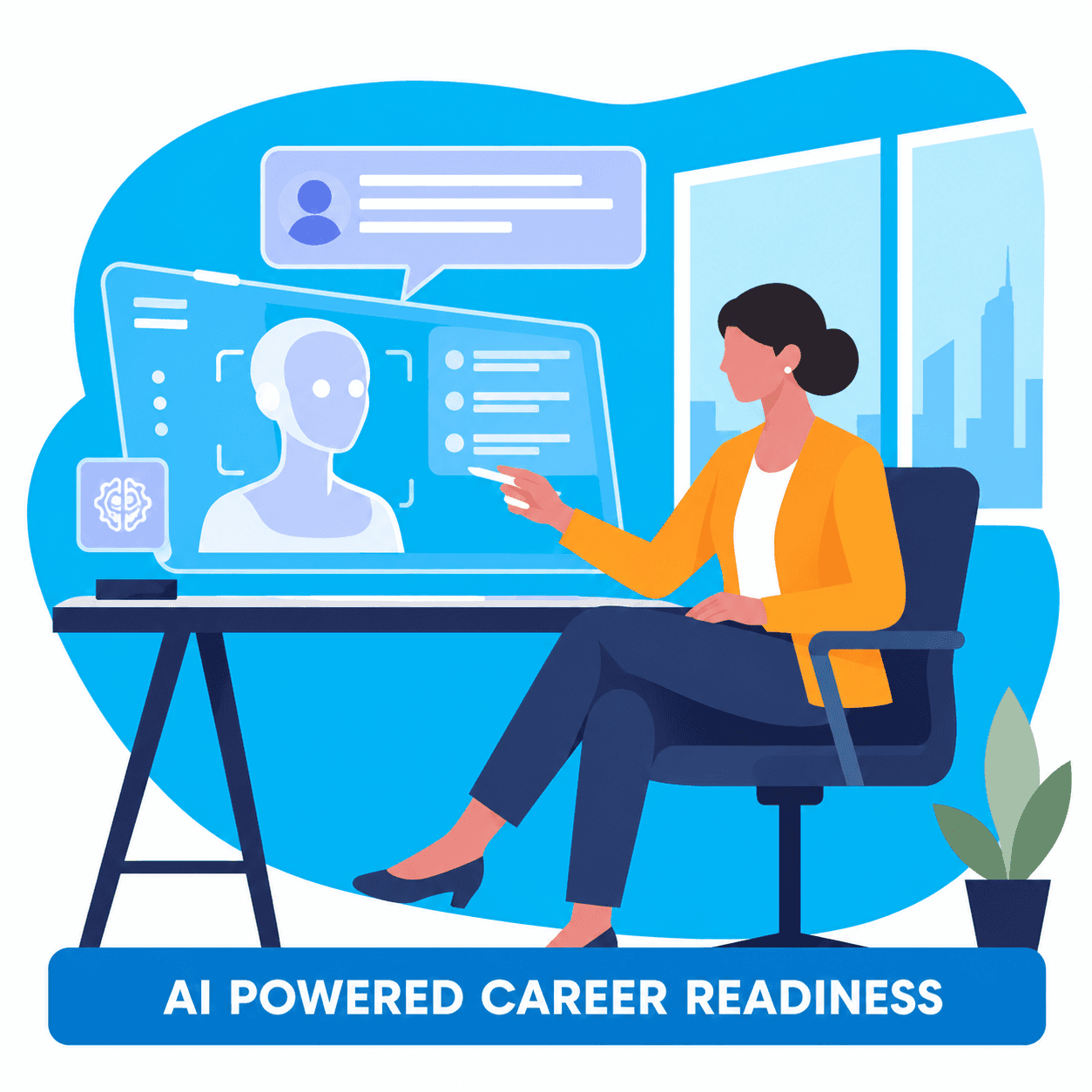
Artificial Intelligence is making it possible to create realistic practice environments that are available anytime and anywhere.
Instead of practicing with imaginary situations, learners can interact with AI that responds like a real interviewer, manager, customer, or colleague.
AI creates realistic conversations based on different career situations.
Learners receive instant feedback after every interaction.
Practice sessions can be repeated as many times as needed.
AI identifies communication strengths and improvement areas.
Every learner receives personalized coaching based on performance.
Confidence improves before facing real workplace situations.
Platforms like Quirri are built around this idea. Instead of simply teaching concepts, Quirri allows learners to practice, receive feedback, and improve in a safe environment where mistakes become valuable learning experiences.
Safe Practice Creates Better Professionals
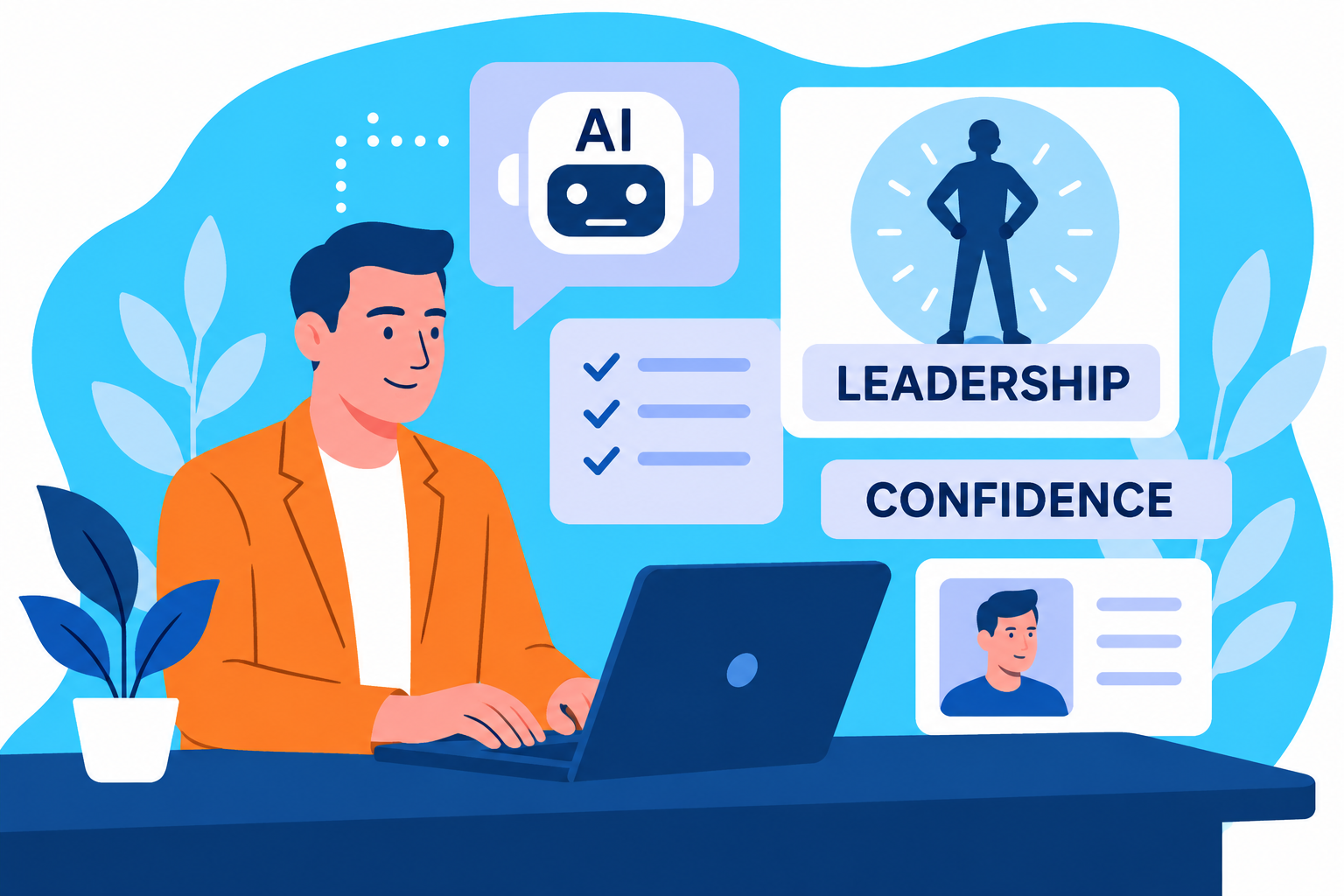
The purpose of practice is not to eliminate mistakes. It is to make mistakes when the consequences are small, so people perform better when the stakes are high.
Organizations also benefit when employees have opportunities to rehearse important situations before facing them in the workplace.
Employees communicate with greater confidence.
Customer interactions become more professional.
New managers develop leadership skills more quickly.
Teams solve problems more effectively.
Employees feel prepared instead of overwhelmed.
Organizations build a stronger culture of continuous learning.
Safe practice reduces anxiety while increasing confidence, competence, and performance.
The Future of Career Development Is Practice First

The future of professional development will not be built around memorizing information. It will be built around practicing real situations before they happen.
As AI becomes more intelligent, career preparation will become more interactive, personalized, and realistic. Learners will practice interviews, presentations, negotiations, leadership conversations, and workplace challenges in environments that feel authentic but remain completely safe.
This is the future Quirri is helping create. A future where everyone has access to a personal AI coach, realistic career simulations, and continuous feedback that builds confidence over time.
The world's best athletes practice before competition. Pilots train in flight simulators before flying passengers. Healthcare professionals rehearse complex procedures before treating patients.
Careers deserve the same opportunity. The best time to make a mistake is during practice. The best time to build confidence is before the opportunity arrives.